
**Historical Sites and Landmarks in Cape Cod**
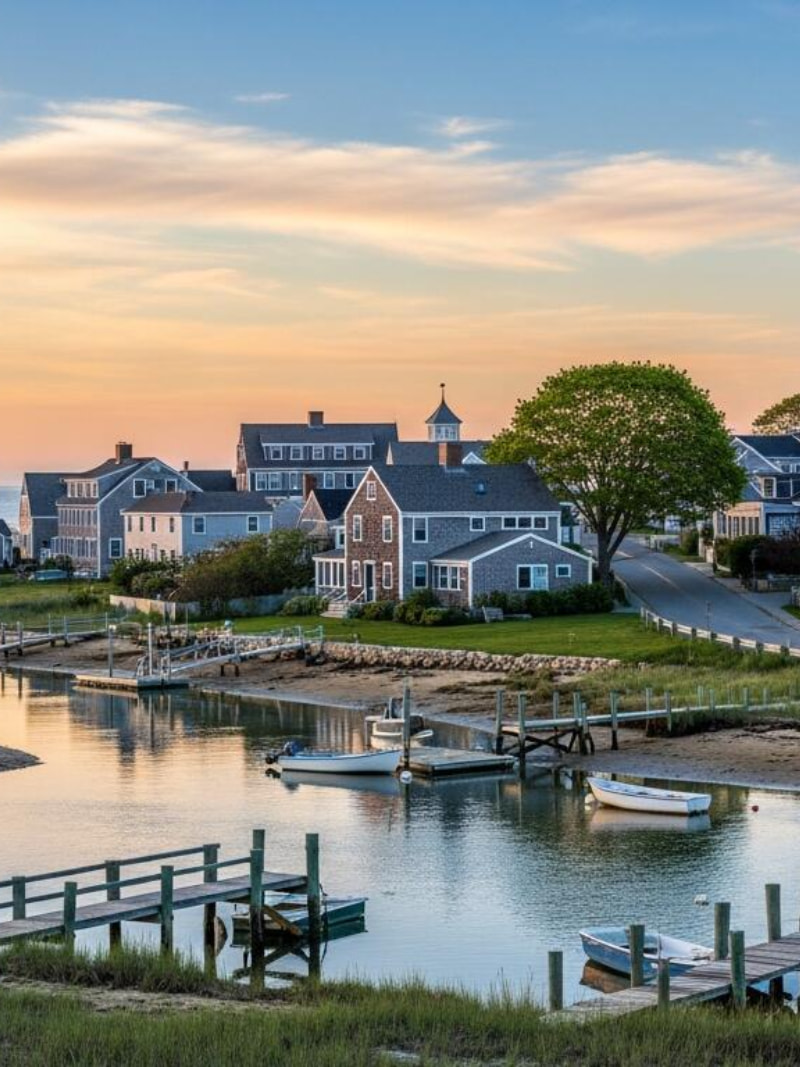
Cape Cod’s historical sites and landmarks offer more than scenic views. They reveal how geography, maritime life, and local traditions shaped a unique coastal culture over centuries. From iconic lighthouses to hidden cable huts, exploring Cape Cod history means discovering living stories that continue to evolve with each season.
**Introduction to Cape Cod’s Living History**
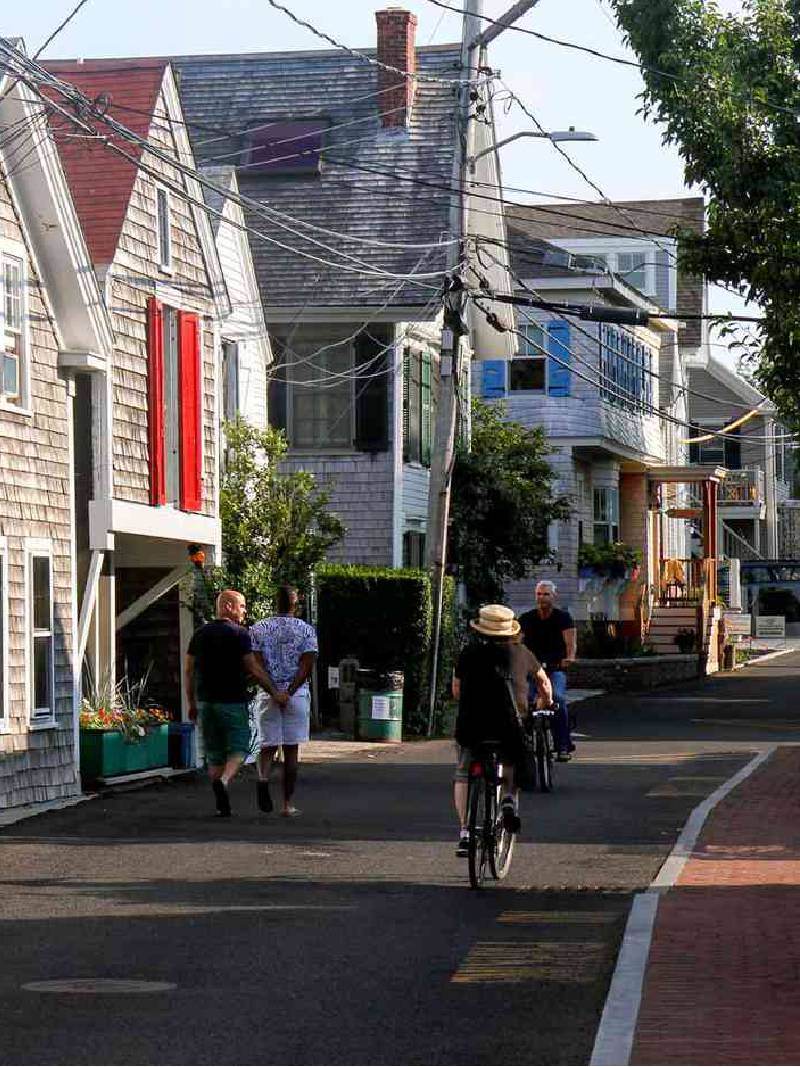
Cape Cod’s history is not confined to museums. It is woven into daily life, from village streets to coastal trails. Visitors can experience centuries of change through preserved homes, maritime landmarks, and local traditions that still shape the region today. Ever wonder why locals can point out a centuries-old cranberry bog faster than a new coffee shop? The Cape’s past influences everything from where you park to how towns are laid out. Here is what you will uncover:
- Wampanoag heritage embedded in landscapes and communities
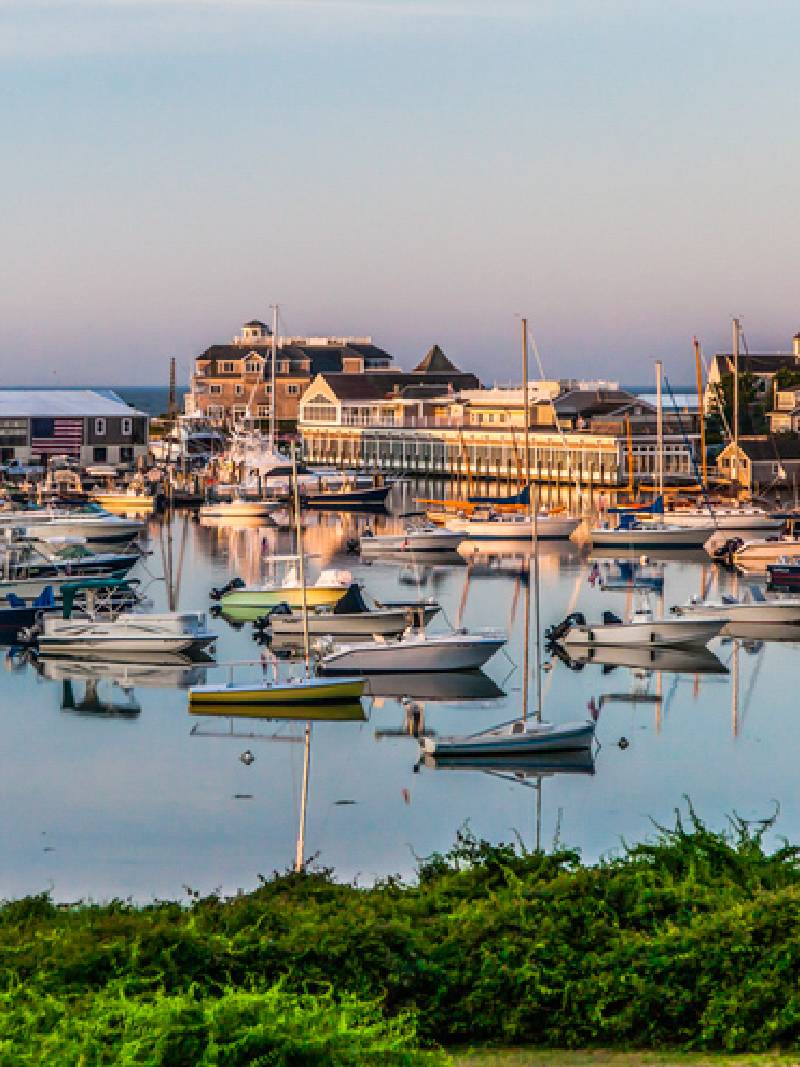
- Maritime history reflected in harbors, boats, and coastal defenses
- Practical tips for visiting historic sites with fewer crowds
- Local insights and lesser-known landmarks beyond typical guides Cape Cod’s history feels immediate and tangible. It is not just preserved, it is actively lived.
**Understanding Cape Cod’s Historical Roots**
Cape Cod’s historical roots combine Indigenous heritage, early colonial settlement, and maritime industry. These layers appear across the region, from ancient trails to working harbors, creating a continuous timeline that visitors can still experience today.
**Geography Shapes the Story**
Cape Cod’s curved shape influences nearly every aspect of its history.
- Dangerous shoals led to frequent shipwrecks
- Isolated communities developed strong local identities
- Fishing, whaling, and trade became central industries The coastline explains why rescue, navigation, and adaptation are recurring themes in Cape history.
**Essential Timeline**
Cape Cod’s history spans centuries of change:
- Indigenous Wampanoag communities thrived long before European arrival
- The Mayflower Compact was signed in Provincetown in 1620
- Fishing villages evolved into seasonal and then permanent communities Everyday sights, like kettle ponds or wooden boats, reflect this long evolution.
**Adapting and Preserving**
Cape Cod constantly changes due to erosion and weather, requiring ongoing preservation efforts.
- Lighthouses have been relocated inland to avoid collapse
- Coastal areas reveal traces of lost settlements
- Conservation programs protect both land and heritage History here is not static. It moves with the landscape. “Cape Cod’s history isn’t preserved in place. It adapts, shifts, and survives alongside the coastline.”
**Lighthouses, Monuments, and Maritime Icons**
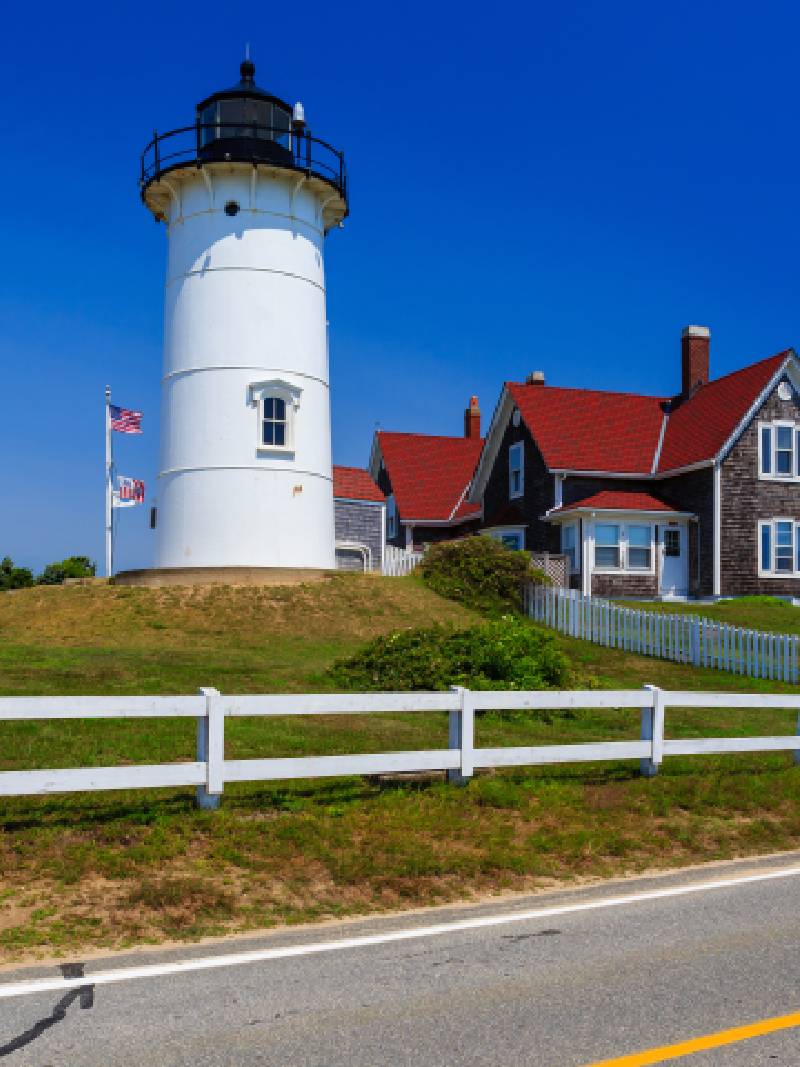
Cape Cod’s lighthouses and monuments exist because of its hazardous coastline. They were built to guide ships safely and now serve as enduring symbols of the region’s maritime identity.
**Why Cape Cod Has So Many Lighthouses**
The Cape’s coastline required constant navigation support.
- Hidden sandbars and fog created dangerous conditions
- Shipwrecks were common along the Atlantic edge
- Lighthouses became essential for safety and trade Today, they remain some of the most recognizable landmarks on the Cape.
**Must-Visit Landmarks**
Several sites highlight Cape Cod’s maritime legacy:
- Pilgrim Monument and Provincetown Museum offers panoramic views and early colonial history
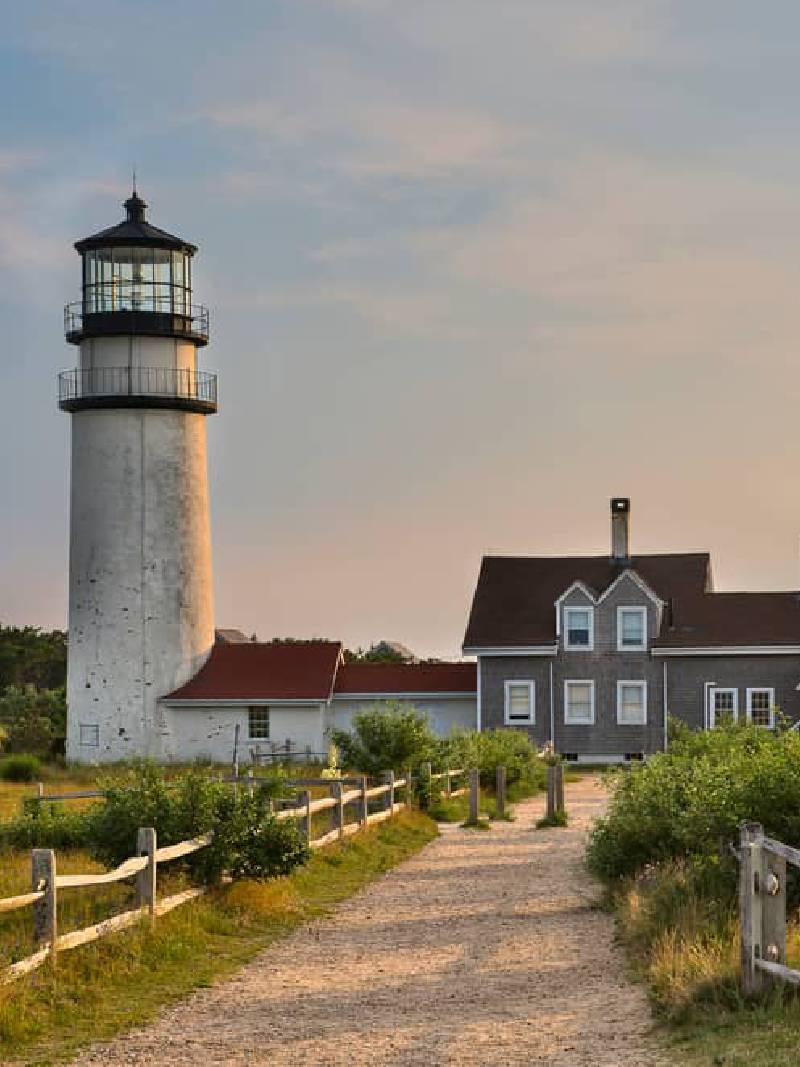
- Highland Light stands as the oldest lighthouse on the Cape and was relocated due to erosion
- Nauset Light and the Three Sisters provide classic coastal imagery
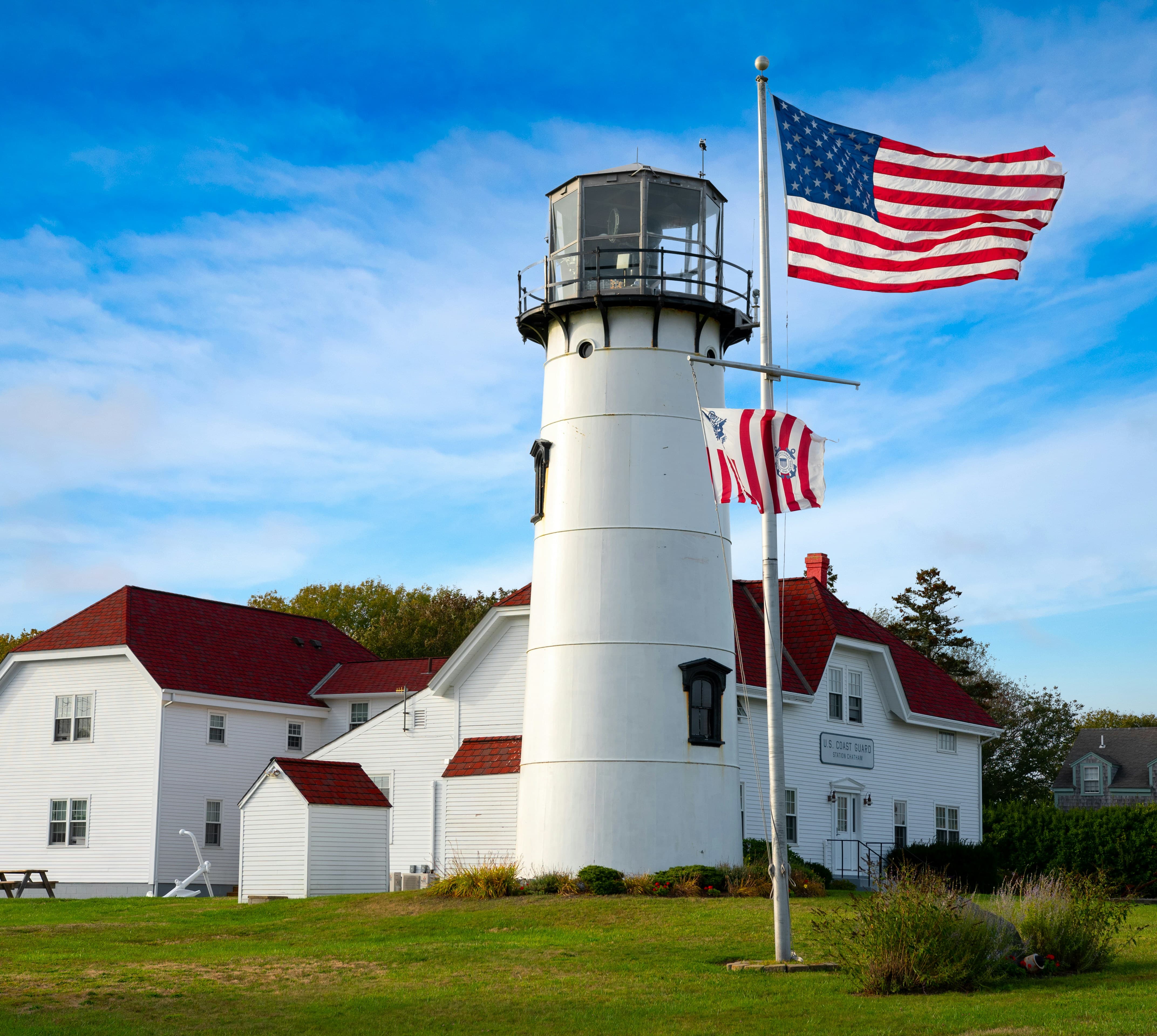
- Chatham Light continues active service alongside a Coast Guard station “Standing at a Cape Cod lighthouse as fog rolls in feels like stepping into a working piece of history.”
**Visiting Tips and Seasonal Access**
Planning ahead improves the experience.
- Parking fees are common in summer but often free off-season
- Fall and winter visits offer fewer crowds and dramatic scenery
- Accessibility varies, though most sites allow ground-level viewing Exploring in quieter months often reveals a more authentic atmosphere.
**Responsible Exploration**
Preserving these sites requires care.
- Stay on marked paths to protect dunes
- Follow posted closures and guidelines
- Check National Seashore updates before visiting Even smaller, lesser-known beacons contribute to the Cape’s story.
**Historic Homes and Museums: Living Legacies**
Cape Cod’s museums and historic homes provide direct access to its past. They offer interactive, family-friendly experiences that bring history to life through real stories, artifacts, and preserved spaces.
**Museums That Bring History to Life**
Cape Cod museums make history accessible and engaging.
- The John F. Kennedy Hyannis Museum showcases presidential summers and local history
- The Cape Cod Maritime Museum highlights boat-building and seafaring traditions These spaces combine education with hands-on experiences, making them ideal for all ages.
**Historic Homes You Can Visit**
Many homes on the Cape date back centuries and remain open to visitors.
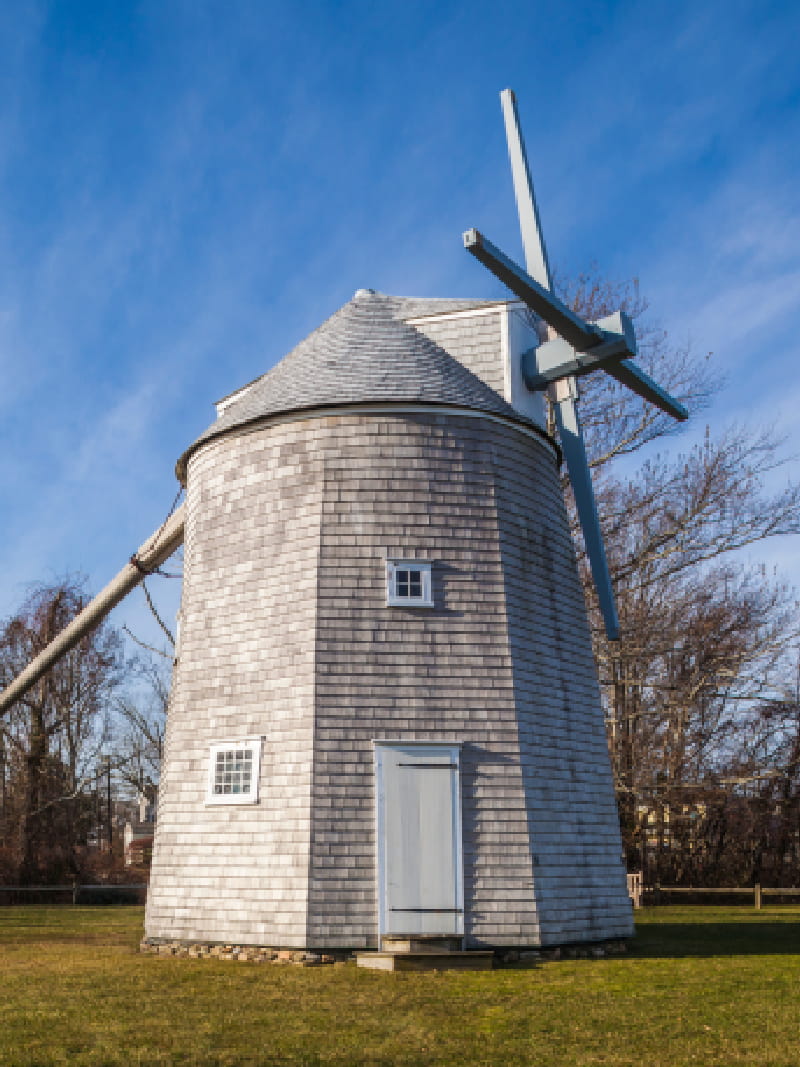
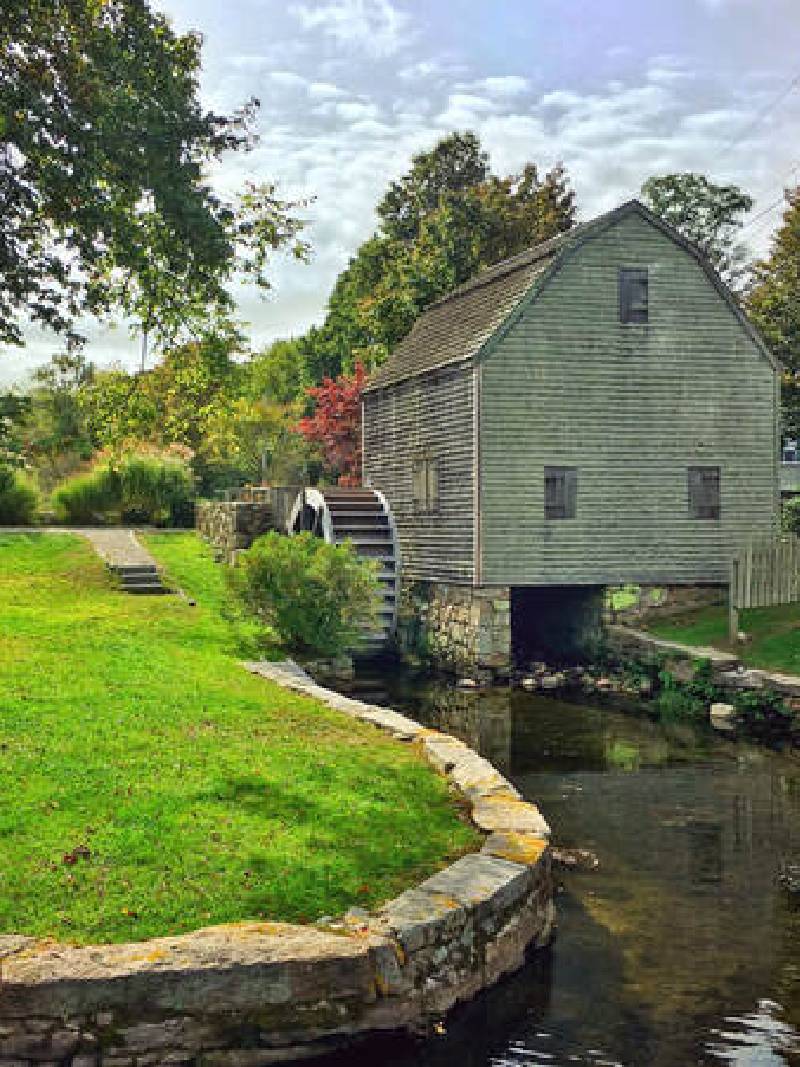
- Hoxie House offers insight into 17th-century living
- Edward Gorey House presents a unique artistic perspective
- Atwood House Museum combines architecture, art, and maritime history Walking through these homes reveals how people actually lived, not just how history is recorded.
**Practical Tips for Visiting**
A little planning improves your visit.
- Check seasonal hours as many sites adjust schedules
- Visit on weekdays or rainy days for smaller crowds
- Look for interactive exhibits and family programs These locations turn history into a personal experience rather than a distant concept.
**Off-the-Beaten-Path Landmarks and Hidden History**
Cape Cod’s lesser-known landmarks offer quieter, more personal encounters with history. These sites often sit away from main roads and provide deeper insight into the region’s past without crowds.
**Hidden Gems Worth Exploring**
Some of the most memorable sites are not widely advertised.
- Highfield Hall and Gardens blends history with art and outdoor space
- Wing Fort House preserves centuries of family ownership and architecture These locations highlight everyday life and local traditions.
**Coastal Technology and Maritime Innovation**
Even remote areas tell important stories.
- Marconi Wireless Station Site marks early transatlantic communication
- The French Cable Hut represents global telegraph connections
- Edward Penniman House reflects maritime wealth and design These sites show how Cape Cod played a role in global communication and trade. “Some of the Cape’s most powerful history appears where you least expect it, along quiet trails and hidden clearings.”
**Visiting Responsibly**
Hidden landmarks require extra care.
- Check local listings for hours and access
- Be aware of limited parking
- Respect conservation areas and natural surroundings These places rely on visitors preserving their integrity.
**Conclusion: Experiencing Cape Cod’s History Firsthand**
Cape Cod’s history is best experienced directly through exploration. Walking through historic homes, visiting lighthouses, and discovering hidden landmarks creates a deeper understanding than any guidebook alone. To make the most of your visit:
- Explore beyond well-known attractions
- Visit during different seasons for varied perspectives
- Speak with locals to uncover unique stories
- Plan ahead for hours and parking
- Follow conservation guidelines to protect each site Cape Cod’s past is not distant. It is part of everyday life, waiting to be discovered in every corner of the region.