
**What Is Cape Cod Best Known For? Answers and Trivia 2026**
Cape Cod is best known for its scenic beaches, rich maritime history, vibrant arts culture, and outdoor adventures. Visitors come for iconic spots like the Cape Cod National Seashore, whale watching, and charming towns such as Provincetown and Wellfleet. Beyond summer, it stands out for its deep Wampanoag heritage, seasonal traditions, and a strong sense of local identity that rewards exploration year round.
**Introduction**
Cape Cod is known for layered experiences that go far beyond beaches, combining local traditions, insider tips, and seasonal variety into one destination. From summer traffic on Route 6 to quiet fall markets and off season oyster shacks, the Cape offers something in every month. Ever argue with a Cape Cod local about the “real” best beach, then end up trading fried clam shack tips and parking hacks before ordering lunch? That is part of the experience. This guide covers:
- The real stories behind beaches, lighthouses, and traditions
- Insider trivia and local opinions
- Practical tips for every season
- Key details like parking rules and weather expectations Curious where it all began or how to experience the Cape beyond summer? Start with its history and identity.
**The Foundations: Cape Cod’s History and Local Identity**
**Deep Roots: The Wampanoag and Early Cape Life**
Cape Cod’s identity begins with the Wampanoag people, whose presence and traditions still shape the region through place names, cultural programs, and community events. Their influence is visible across towns like Mashpee and Eastham and remains a living part of daily life. Their legacy includes:
- Place names such as Mashpee and Nauset
- Heritage festivals across the Cape
- Language and cultural education programs Picture walking a quiet trail in Eastham while nearby communities celebrate traditions older than colonial history. “The Cape isn’t just summer cottages; it’s living history under your feet.”
**Fishing Frontiers and Maritime History**
Cape Cod is famous for its maritime roots, built on fishing, shipbuilding, and whaling industries that shaped its economy and identity. The region was named in 1602 by Bartholomew Gosnold after the abundance of codfish in its waters. Key facts:
- Harwich and Barnstable were major shipbuilding centers
- Wellfleet played a role in the whaling industry
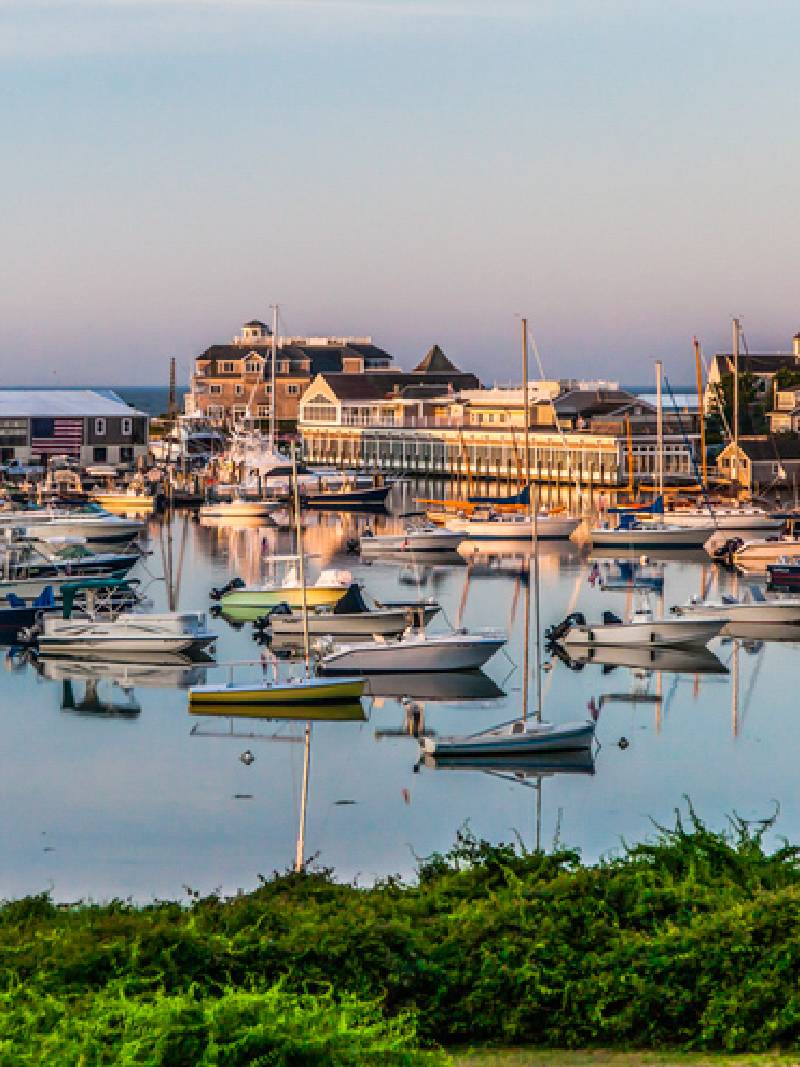
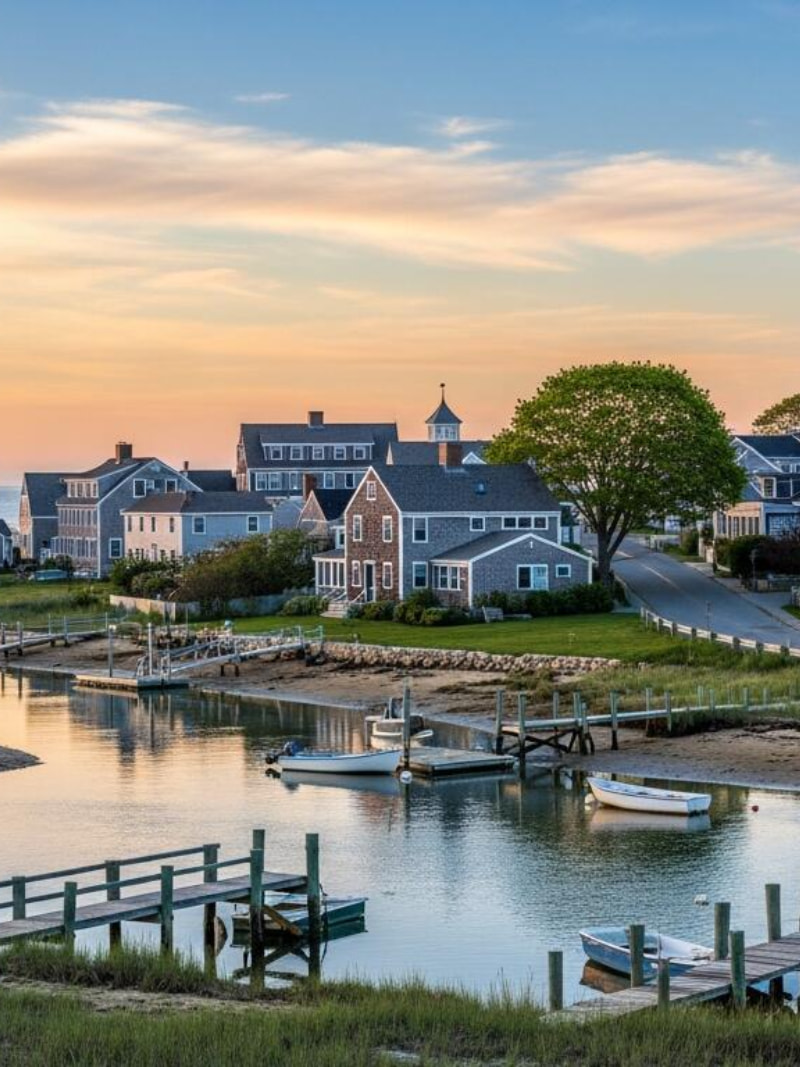
- Fishing traditions still continue in local harbors Even today, early morning harbors reflect centuries of working waterfront culture.
**Modern Shifts and Community Identity**
Modern Cape Cod was transformed by the 1914 opening of the Cape Cod Canal, turning it into a true island and reshaping travel and development. Today, its identity balances tourism, conservation, and strong local communities. Important elements:
- Route 6 connects towns from Sandwich to Provincetown
- The Cape Cod National Seashore protects over 40,000 acres
- Each town has a distinct character and history Cape Cod continues to evolve while maintaining deep historical roots.
**Natural Wonders and Outdoor Experiences**
**Cape Cod’s Most Iconic Landscapes**
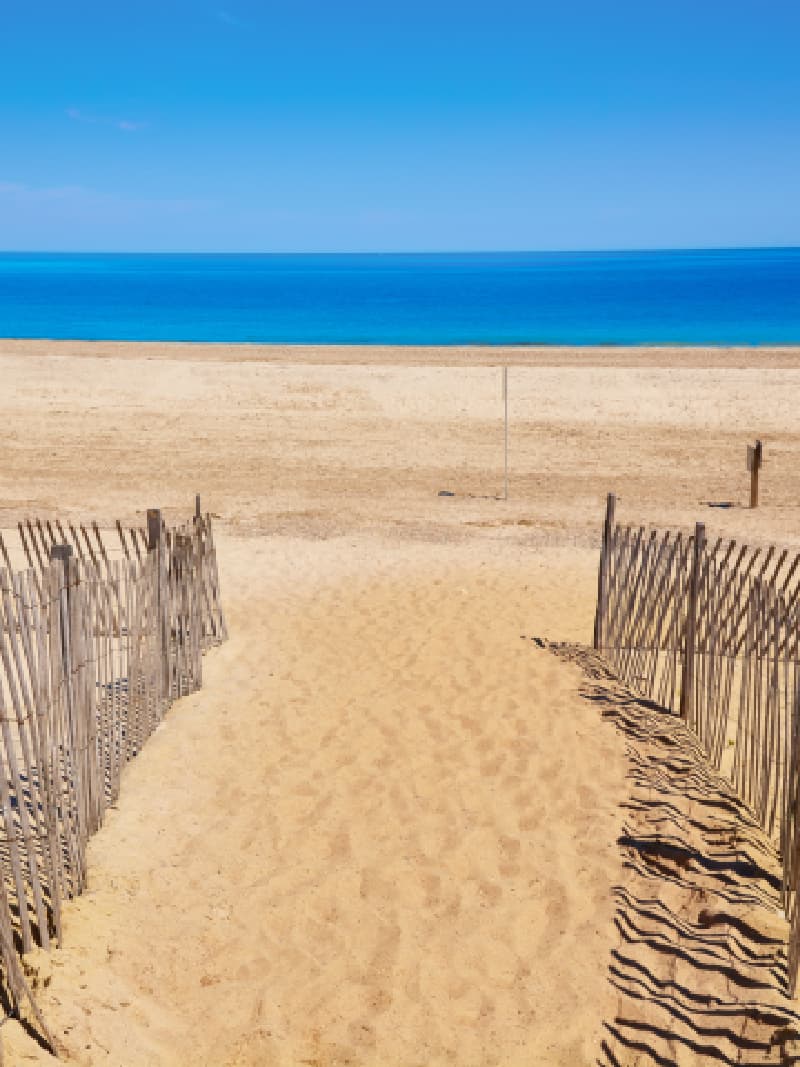
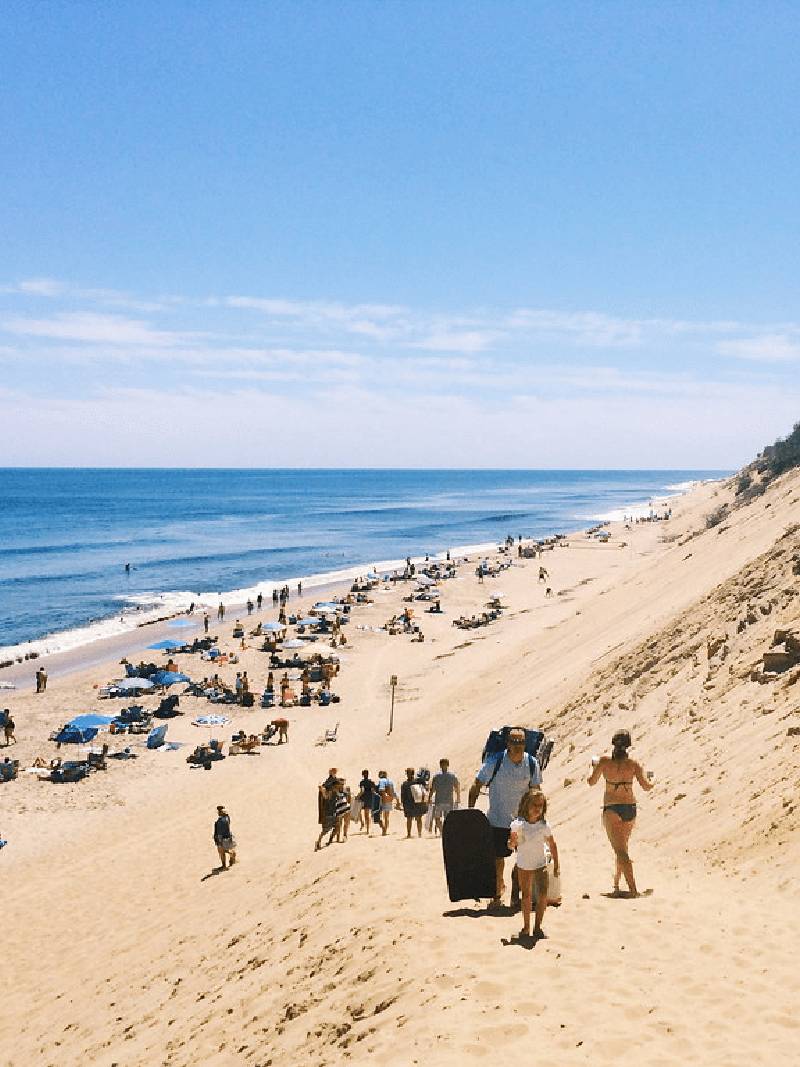
Cape Cod is best known for the Cape Cod National Seashore, a 40 mile stretch of protected coastline featuring dunes, beaches, and marshes. Visitors can choose between calm bayside waters or dramatic Atlantic facing beaches depending on their preference. Top locations include:
- Race Point Beach for sunsets and open views
- Herring Cove for calmer waters
- Coast Guard Beach for iconic scenery Each beach offers a different experience, from family friendly shores to rugged coastal landscapes.
**Classic Activities and Outdoor Adventures**
Cape Cod offers more than beaches, with activities like biking, kayaking, and whale watching defining the experience. Whale sightings are most common from April to October, especially near Provincetown. Popular activities:
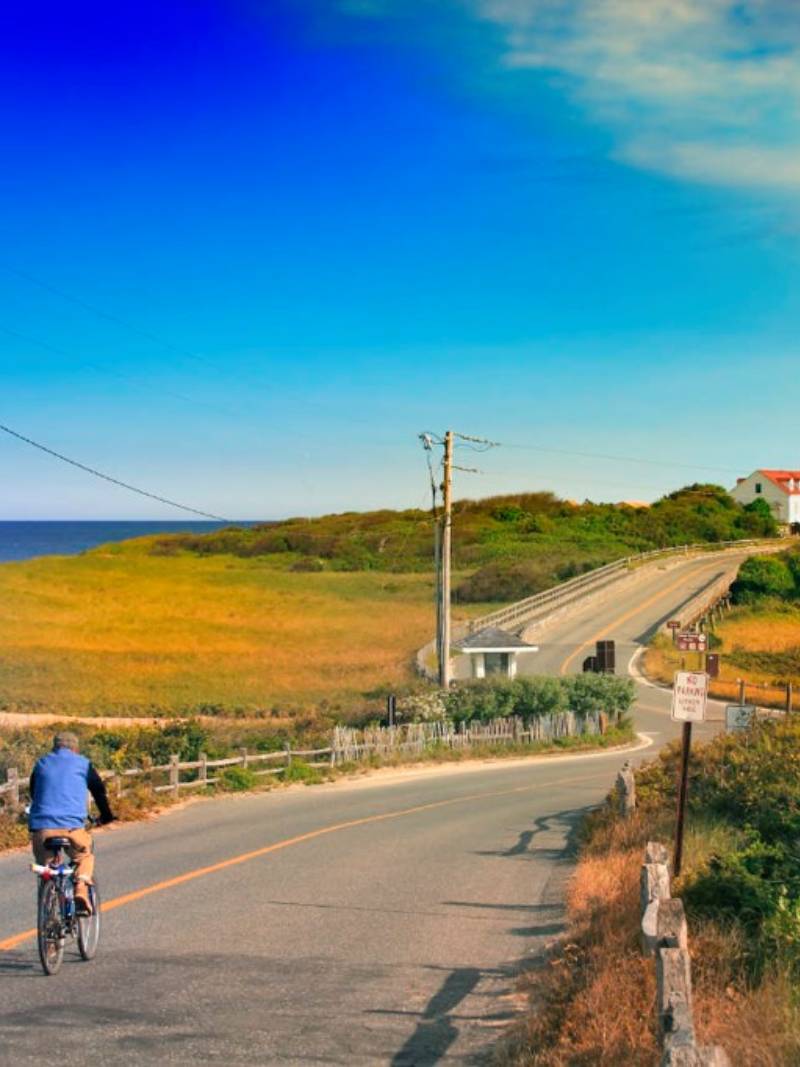
- Biking the Cape Cod Rail Trail
- Kayaking in Wellfleet and Barnstable marshes
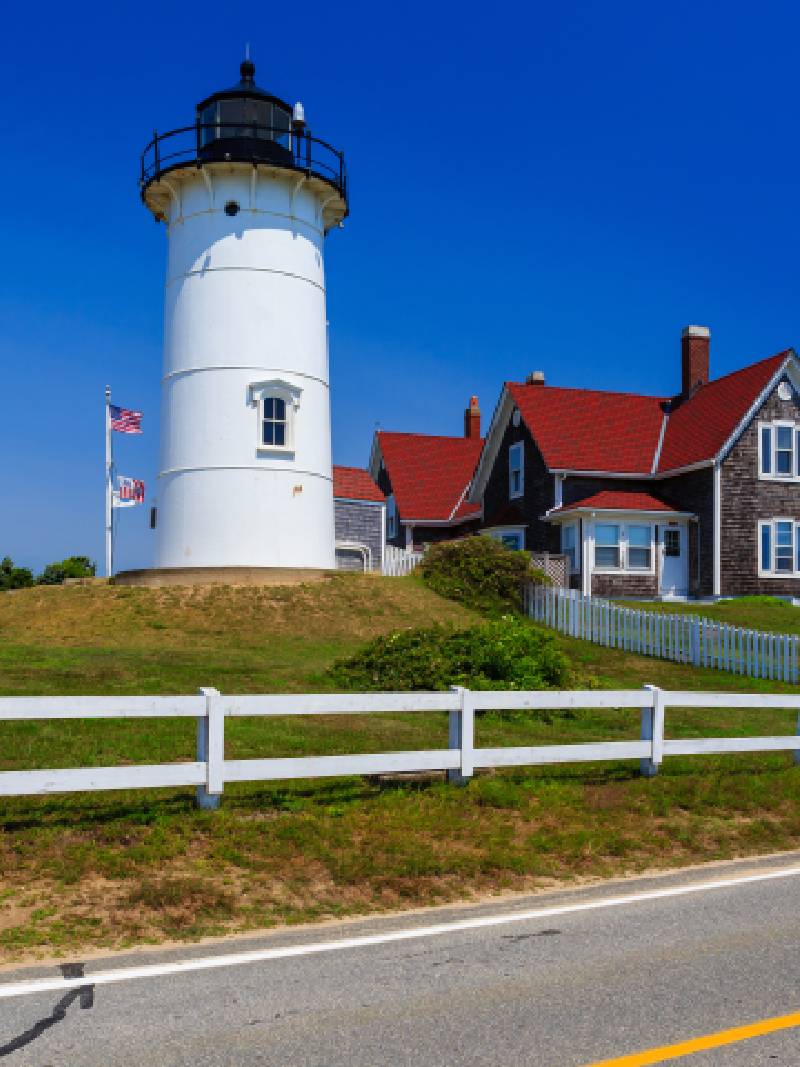
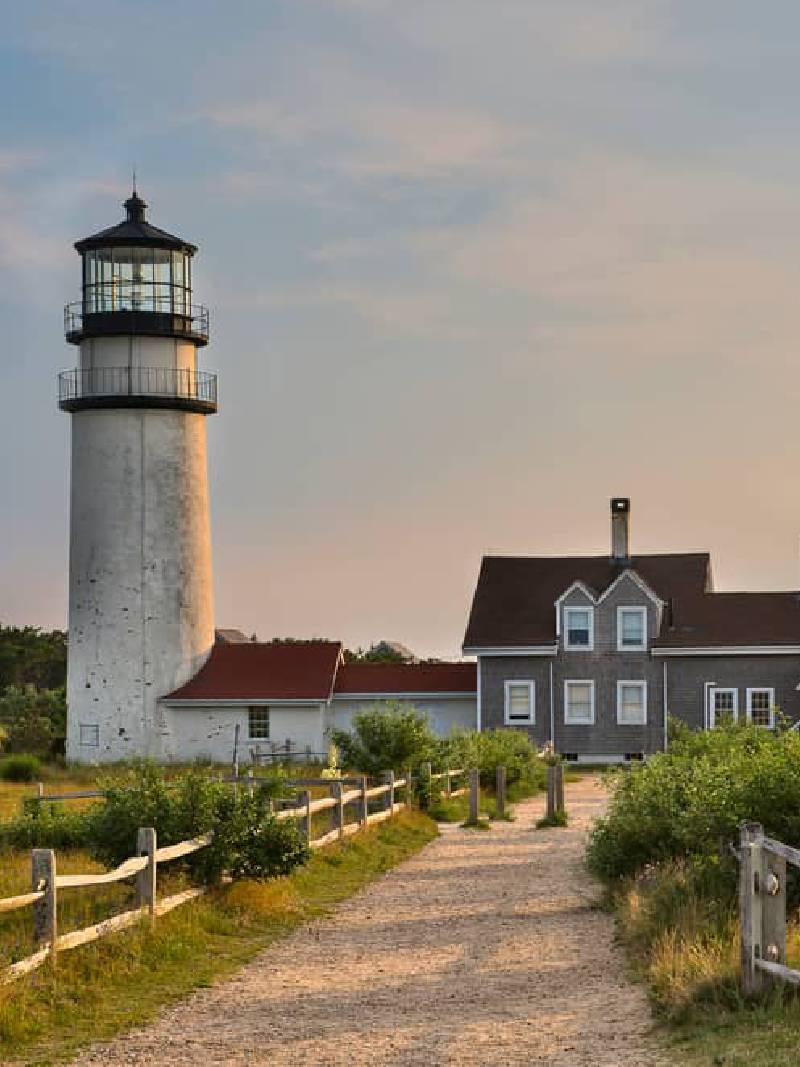
- Seal watching near Chatham Light
- Hiking trails like Great Island and Atlantic White Cedar Swamp “The best Cape memories usually start away from the parking lot.”
**Hidden Gems and Insider Tips**
Cape Cod rewards early planning and local knowledge, especially when it comes to avoiding crowds and discovering lesser known spots. Visiting early in the day or exploring quieter areas can transform your experience. Helpful tips:
- Arrive at beaches before 10 a.m. or after 3 p.m.
- Bring cash for certain parking areas and food spots
- Visit quieter locations like Scargo Tower or Long Pasture Wildlife Sanctuary
- Look for family friendly trails in Sandwich and Falmouth Small adjustments often lead to the most memorable moments.
**Culture, Community, and Creative Life**
**Where Art and Local Life Meet**
Cape Cod is known for its vibrant arts scene, especially in Provincetown, Wellfleet, and Orleans, where galleries, studios, and seasonal events bring creative energy year round. Highlights include:
- Art galleries along Commercial Street
- Summer art walks and studio visits
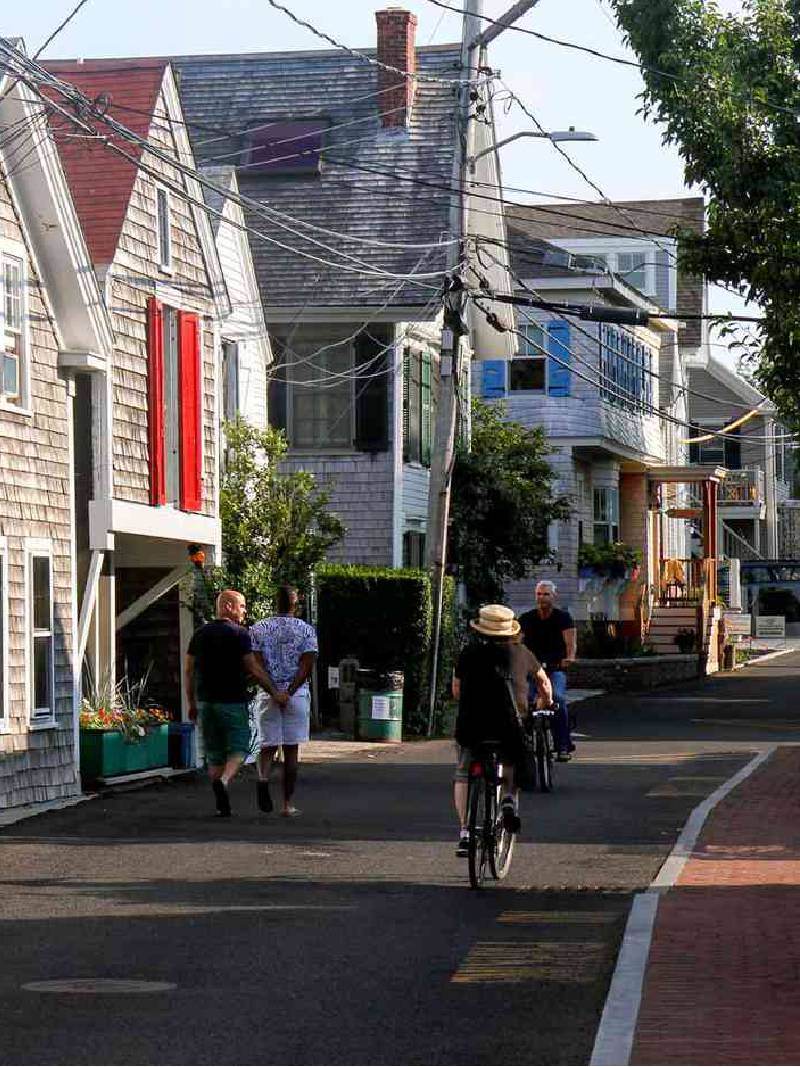
- Seasonal festivals and community events Local creativity is visible in both formal galleries and everyday street scenes. “On Cape, the art scene is always shifting, one week it’s plein air painters, the next it’s a silent movie night.”
**Museums, Landmarks, and Local Icons**
Cape Cod’s museums and landmarks offer insight into its history, making them essential stops beyond beach days. They provide context for everything from maritime history to early settlement. Notable places:
- Pilgrim Monument in Provincetown
- Whydah Pirate Museum
- Sandwich Glass Museum
- Woods Hole Science Aquarium These attractions combine education with hands on experiences.
**Food Traditions and Local Flavor**
Cape Cod is famous for its seafood, clam shacks, and farmers markets, which reflect its coastal culture and seasonal rhythms. Food is a central part of the Cape experience. What to expect:
- Fried clams and fish and chips at waterfront spots
- Farmers markets with local produce and seafood
- Popular local debates over the best onion rings Dining here is as much about tradition as it is about taste.
**Surprising Facts and Trivia**
**Cape Cod by the Numbers**
Cape Cod is shaped by natural forces and history, making it both geologically young and constantly changing. Formed around 20,000 years ago, it continues to evolve through erosion and shifting sands. Interesting facts:
- Some areas lose up to three feet of shoreline per year
- Sandwich is the oldest town, founded in 1637
- Provincetown dunes shift regularly with the wind The landscape itself is part of the story.
**Pop Culture and Historical Connections**
Cape Cod has ties to major historical events and modern celebrity culture, adding another layer to its identity. It blends real history with local legends. Notable points:
- The Mayflower Compact was signed in Provincetown
- The Kennedy family’s presence shaped Hyannis Port
- Over 1,000 shipwrecks are rumored offshore These stories contribute to the Cape’s enduring appeal.
**A Year Round Destination**
Cape Cod is not just a summer destination, with fall, winter, and spring offering quieter and equally rewarding experiences. Locals often prefer these seasons. Seasonal highlights:
- Cranberry harvests in September
- Empty beaches and wildlife sightings in fall
- Winter festivals and local events
- Oyster shacks open in colder months Each season reveals a different side of the Cape.
**Conclusion**
Cape Cod is best known for its beaches, history, culture, and outdoor lifestyle, but what truly defines it is the depth of experience available in every season. It is a place where local knowledge, small discoveries, and changing landscapes shape every visit. To get the most out of your time:
- Explore beyond main roads
- Support local businesses
- Plan around tides and parking
- Mix popular spots with hidden finds
- Share your discoveries with others The real Cape Cod is not just visited, it is experienced through curiosity and exploration.